Valorant Phoenix Gameplay Clips That Teach Aim
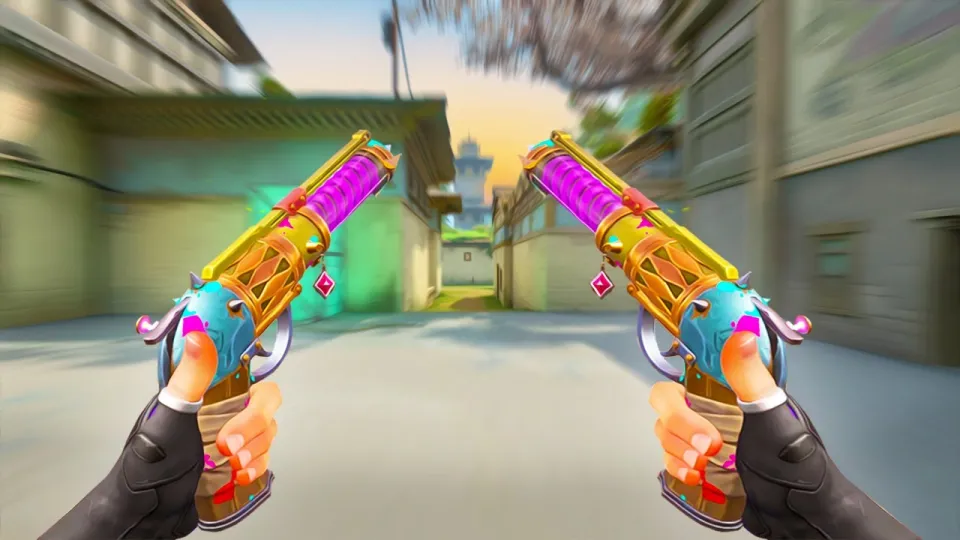
Video: 20 Minutes of Satisfying Valorant Clips
Need articles like this for your video? They help promote it on YouTube and Google — order them in the Telegram bot @sat_sit_bot. Articles with your video embedded are written and posted by the bot itself — on popular topical sites (no ads). Free trial — 50 articles.
· based on the channel Rawzu
Key takeaways
- Rawzu runs 400 DPI with 0.625 in-game sensitivity, a 1440x1080 stretched resolution and the crosshair code 1-6-2-2.
- His hardware: Lamzu Maya X mouse, Zowie H-SR-SE 2 Blue mousepad, Zowie XL2566K 360Hz monitor.
- The clip reel "20 Minutes of Satisfying Valorant Clips" is built almost entirely around Phoenix, an aggressive duelist.
- Phoenix's kit: Blaze wall blocks vision and damages, Curveball flashes around corners, Hot Hands heals and damages, Run it Back gives a free second life.
- Viewers in the comments ask about sensitivity, peripherals and how the movement speed is maintained while aiming.
Valorant is a 5v5 tactical shooter where two teams fight over spike sites, and the fastest way to learn its movement and gunplay is to watch a specialist play it at full speed. Rawzu's "20 Minutes of Satisfying Valorant Clips" is a continuous reel of Phoenix gameplay that shows the duelist's kit used the way it was designed: wall first, flash around the corner, heal off the damage you take, then re-enter the fight with an ultimate. If you want to watch the same runs live, Rawzu streams daily on Kick, where the clips in the reel originally come from.
The reel is not a tutorial, but it works as one. Every round follows the same logic — create space with utility, win the duel with a clean crosshair placement, and never stand still long enough to be traded.
What makes Phoenix the right agent for this style
Phoenix is an offensive duelist built to hunt enemies while crippling their ability to shoot back, and that identity is exactly what the clip reel leans on.
- Blaze creates a wall that blocks vision and deals damage, letting Phoenix cross open areas that would otherwise be covered by an Operator or a Sentinel.
- Curveball is a flash that curves around geometry, so it blinds players who think they are safe behind a corner.
- Hot Hands throws a fireball that damages enemies and heals Phoenix if he stands in it, which turns a lost trade into a reset.
- Run it Back marks a position and returns Phoenix there with full health if he dies, so an aggressive entry is rarely punished.
Together those four abilities make Phoenix durable enough to take the first fight on a site and still have tools left for the retake. Players who like pushing first and asking questions later get the most out of the agent.
Settings behind the movement in these Valorant clips
The speed on screen is not an accident, and the settings are published with the video. Rawzu plays 400 DPI at 0.625 in-game sensitivity, which is a low-sens setup that rewards arm aiming over wrist flicking, and a 1440x1080 stretched resolution, which widens player models on screen without going to an extreme 4:3 stretch.
The crosshair is the code 1-6-2-2 — a small static cross with visible gap, no center dot, no movement or firing error, which keeps the reticle honest during strafes. The rest of the setup:
- Mouse: Lamzu Maya X
- Mousepad: Zowie H-SR-SE 2 Blue
- Monitor: Zowie XL2566K at 360Hz
A 360Hz panel matters more for this playstyle than for most, because Phoenix entries are decided in the first few frames of a peek, and a stretched resolution plus high refresh rate makes strafing targets easier to track.
Reading the rounds: utility first, duel second
The pattern repeats across the reel: utility is spent before the gunfight, never after it. A typical Phoenix entry goes wall to cut sightlines, flash to blind the anchor, fireball on the ground to heal through chip damage, then a wide swing with the Vandal.
That order is what makes the clips look effortless. Blaze does not just block vision, it also damages anyone who walks through it, so defenders holding a tight angle are forced to move or take free damage. Curveball then arrives from an angle the defender cannot pre-aim, because the flash curves rather than travelling in a straight line. By the time the Vandal comes out, the enemy is already flashed, burned, or repositioned — and Phoenix still has Run it Back available if the trade goes wrong.
The commentary in the reel reinforces this: teammates call out good aim after a clean shot, and one round ends with a teammate loudly complaining that an ace was stolen. The supportive chatter is part of why the clips land — several viewers point out that the teammates are unusually encouraging compared to typical ranked lobbies.
Common questions from the comments, answered
Viewers repeatedly ask about sensitivity and peripherals, and the answer is in the video description: 400 DPI, 0.625 in-game, Lamzu Maya X, Zowie H-SR-SE 2 Blue, Zowie XL2566K. Copying those numbers will not transfer the aim, but they give you a sane baseline to test.
The second recurring theme is disbelief. One comment jokes about a glitch where enemies actually shoot back and use game sense — which is the honest way of saying that highlight reels are curated. The clips are the best rounds out of many hours of streaming, not a representative sample of ranked Valorant. Treat them as a demonstration of what clean utility usage looks like, not as an expected win rate.
The third theme is nostalgia and motivation: viewers who have not played in years say the reel makes them want to reinstall, and others claim that watching improves their own aim. The useful version of that feeling is to pick one habit from the reel — say, always flashing before swinging — and run it for a full session instead of trying to copy everything at once.
Finally, some comments focus on economy and loadout choices, noting rounds where a player has a Vandal, full shield and every ability available early in the match. That is a reminder that Phoenix's kit is cheap enough to be fully online on buy rounds, which is part of why the agent can be played so aggressively without falling behind on weapons.
Useful links
Why this Phoenix clip reel is worth your time
Rawzu's "20 Minutes of Satisfying Valorant Clips" works because it shows one agent played with a consistent philosophy rather than a random pile of frags: wall to split the map, flash to blind the anchor, fireball to stay alive, ultimate to take a second attempt for free. The published settings — 400 DPI, 0.625 sensitivity, 1440x1080 stretched, crosshair 1-6-2-2 — give you something concrete to test in the range, and the teammate reactions show what a coordinated entry actually sounds like. Watch it once for the aim, then watch it again for the order in which the abilities come out. If you want to see those rounds happen live instead of in a highlight reel, catch Rawzu on Kick during the daily streams.
Source: 20 Minutes of Satisfying Valorant Clips · Markdown version
Questions & answers
What sensitivity and DPI does Rawzu use in these Valorant clips?
He plays 400 DPI with 0.625 in-game sensitivity, a low-sens setup aimed at arm aiming rather than wrist flicks. The rest of the setup is a Lamzu Maya X mouse, a Zowie H-SR-SE 2 Blue mousepad and a Zowie XL2566K 360Hz monitor.
Why is Phoenix a good pick for aggressive Valorant players?
Phoenix combines a vision-blocking wall, a curving flash, a self-healing fireball and an ultimate that returns him to safety after dying. That mix lets him take the first fight on a site and still have tools for the retake, which suits players who prefer to push rather than hold.
Do highlight reels like this reflect normal ranked Valorant?
No. The reel is a curated selection of the best rounds from many hours of play, so enemies in it are already blinded, burned or out of position. Use it to study utility order and crosshair placement, not as a realistic picture of how often those fights are won.
What should I copy first from this gameplay?
Start with the ability order: wall to cut sightlines, flash around the corner, fireball for healing, then swing. Pick that one habit and run it for a full session before adding crosshair or movement changes, so you can actually measure whether it helps.